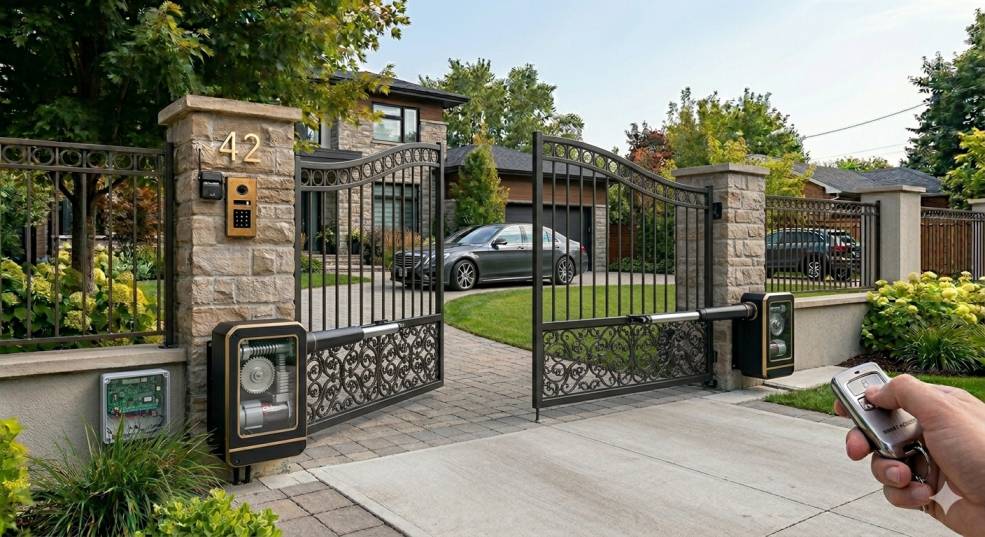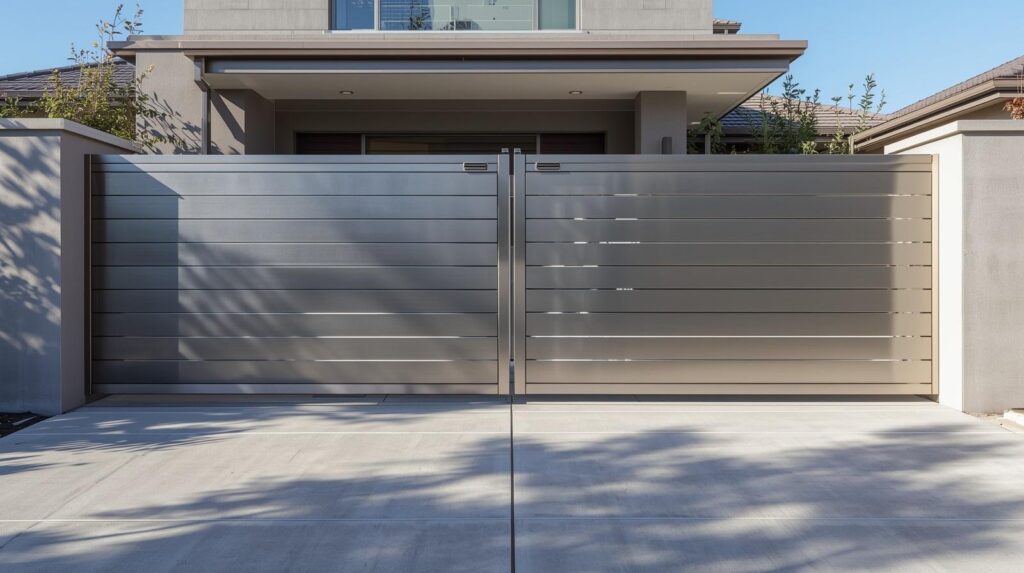

An automatic driveway gate is a major convenience, but it is also a complex piece of heavy-duty machinery. Every single day, your gate operator fights against the elements—enduring scorching summer heat, freezing winter moisture, wind loading, and airborne dust. Because these systems are positioned outside at the perimeter of your property, neglecting regular upkeep guarantees a premature mechanical breakdown.
When an electric gate fails, the resulting costs can catch you completely off guard. A burned-out motor, a fried control board, or bent structural hinges can easily run into hundreds or even thousands of dollars in emergency fixes.
The good news? Most structural failures are completely preventable. This comprehensive automatic gate maintenance guide provides practical, step-by-step strategies to keep your system operating flawlessly, ensuring your entrance stays secure while keeping your hard-earned money in your wallet.
1. Establish a Routine Cleaning and Track Clearing Schedule
The easiest way to extend the lifespan of your entry gate is to keep the physical environment clean. Friction is the absolute mortal enemy of any automated operator motor. When the motor has to fight against dirt, it draws more electrical current, overheats, and wears out its internal gears ahead of schedule.
For Sliding Gates
Sliding mechanisms rely on a perfectly level V-groove steel track anchored to your driveway. Over time, this track acts as a magnet for leaves, small gravel, dried mud, and winter ice.
Make it a habit to visually check the track once a week. Use a stiff-bristled broom or a high-powered leaf blower to clear away loose debris. If dirt has become packed tightly inside the groove, scrape it out with a wire brush and rinse the area down with a garden hose.
For Swing Gates
Swing setups do not use a ground track, but they are highly vulnerable to overgrown landscaping. Ensure that weeds, low-hanging tree branches, and tall grass are cut back cleanly away from the gate panel’s sweeping arc. If the bottom edge of a swinging gate panel drags across a patch of overgrown turf or a buildup of decorative mulch, it will trigger the system’s safety reverse function or overload the internal motor clutch.
2. Master the Art of Proper Mechanical Lubrication
If you only implement one piece of advice from this guide, make it this one: regular, correct lubrication prevents more unexpected repair calls than almost anything else. However, using the wrong type of lubricant can actually cause more harm than good.
The Golden Rule: Avoid Standard WD-40
Standard WD-40 is a phenomenal water displacer and degreaser, but it is not a long-lasting lubricant for heavy outdoor machinery. It evaporates quickly and leaves behind a thin, sticky residue that actively attracts airborne dust and abrasive sand, turning the mixture into a damaging grinding paste inside your bearings.
What to Use Instead
-
White Lithium Grease: Best for high-pressure, metal-on-metal contact points, such as heavy internal drive chains, main gear teeth, and large structural hinges.
-
Premium Silicone Spray: Excellent for guide rollers, exposed pulleys, and internal lock mechanisms because it dries clear and actively repels water without collecting grit.
Apply your chosen lubricant generously to all pivot pins, chain links, and roller wheels every six months. After spraying, wipe off any excess drips with a clean rag to keep the installation looking clean and sharp.
3. Protect the Control Motherboard from Pests
Your gate’s main control box is a warm, dry, weatherproof enclosure. To local wildlife, that makes it the most attractive real estate on your entire street during cold or rainy seasons.
Snails, spiders, slugs, ants, and mice love to crawl inside these electrical boxes through unsealed wire conduits or small cracks in the weatherstripping. Once inside, a single slug crawling across the back of a live circuit board will bridge the high-voltage electrical traces, causing a catastrophic short circuit that instantly fries the logic processors.
During your seasonal checks, open the operator housing and inspect the interior. Look for spider webs, insect nests, or moisture entry. Spray a specialized insect barrier around the outside base of the post or mounting platform to discourage bugs from climbing up. If you notice any open holes where low-voltage wires enter the cabinet, fill them with a durable bead of silicone caulk to block access entirely.
4. Test Safety Sensors and Force Settings Monthly
Modern residential gate operators are built with mandatory safety features designed to prevent vehicle damage and personal injury. If these systems are ignored, they can become a massive liability.
| Safety Component | What It Does | How to Maintain It |
| Photo Eye Sensors | Shoots an invisible infrared beam across the driveway; stops the gate if the beam is broken. | Wipe the outer glass lenses with a microfiber cloth; check that the mounting brackets are tightly aligned. |
| Reversing Edge Sensors | A rubber bumper strip that detects physical contact and immediately reverses the motor. | Gently press the bumper while the gate is moving to ensure it triggers an immediate system halt. |
| Inherent Force Sensors | Internal electronics that monitor motor strain; shuts down if resistance spikes. | Block the gate with a lightweight wood block to confirm the electronic clutch slips safely. |
Regularly checking these features forms the foundation of a proactive automatic gate maintenance routine, keeping your family safe while catching minor mechanical issues before they turn into major failures.
5. Keep a Close Eye on Battery Health
If your automatic entrance features a battery backup system—or if it runs entirely on solar panels—the system’s reliability depends on the health of those batteries.
Outdoor batteries typically have a reliable lifespan of 3 to 5 years. As they age, they gradually lose their ability to hold a proper electrical charge. A weak battery will cause your gate to move painfully slowly, stall halfway through its opening cycle, or refuse to operate entirely on cloudy days.
Open your battery compartment annually to look for white powder oxidation or corrosion around the terminal connections. Clean the terminals with a wire brush if needed, and verify that the wires are clamped on tight. If your gate starts moving sluggishly despite a clean track, use a digital voltmeter to check the cells; if the reading drops significantly under load, replace the battery immediately before it leaves you stranded out in the street.
Maintenance Checklist: DIY vs. Professional Care
While taking care of daily cleaning and basic lubrication yourself is simple, specialized diagnostic work and major structural tune-ups are best left to licensed professionals.
Key Summary Takeaways
-
Friction Kills Motors: Keeping your ground tracks free of gravel and clearing away dragging grass is the simplest way to prevent a costly motor replacement.
-
Lubricate Correctly: Treat your hinges and chains with specialized silicone or lithium grease twice a year, and stay far away from standard dust-attracting oils.
-
Seal Out Pests: Check your control panel housing regularly and seal up open wire entry paths to prevent insects from shorting out your electronics.
-
Schedule a Professional Tune-Up: Booking an annual inspection with a trained technician helps catch hidden alignment changes and component wear early, saving you thousands in emergency repairs over time.
Frequently Asked Questions (FAQ)
Why is my automatic gate moving much slower than it used to?
A sluggish gate is usually caused by excessive physical friction or a drop in available electrical power. Check your ground track for dirt buildup, make sure your hinges are well-lubricated, and check your backup battery health. Cold winter temperatures can also cause internal grease to thicken, which naturally slows down operation.
Can I use regular motor oil to lubricate my driveway gate chain?
It is not recommended. Regular motor oil or automotive grease is way too sticky for exposed outdoor environments. It will quickly gather dirt, sand, and tiny grit, turning into an abrasive paste that rapidly wears down your drive chain and drive sprockets. Stick to high-quality dry silicone sprays or specialized white lithium grease.
How often should my automatic gate receive professional maintenance?
For a typical residential home, booking a professional inspection once a year is perfect. If you run a commercial property where the gate cycles open and closed dozens of times an hour, or if you live right on the coast with corrosive salt air, moving to a quarterly or bi-annual professional check is highly recommended.
What should I do if my gate gets stuck open during a storm?
First, locate your system’s manual release mechanism. Every professional gate operator features a manual override that requires a specific key, hex wrench, or release lever. Disengaging the clutch lets you easily slide or swing the gate closed by hand, securing your home until a technician can safely inspect the electronics.
Why does my gate open completely fine but stop and reverse when it tries to close?
This behavior is almost always caused by an issue with your safety photo eyes. Clean the lenses with a soft cloth to remove dirt or cobwebs, and make sure the sensor brackets haven’t been bumped out of alignment. If the sensors don’t see each other perfectly, the system assumes an object is in the way and refuses to close.
Protect Your Investment Today
A little bit of regular maintenance goes a long way toward keeping your home safe and accessible. If your gate is making strange grinding noises, acting unpredictable, or if you simply want the peace of mind that comes with an expert inspection, the team at Automatic Gates Warriors is ready to help.
We provide comprehensive, professional checkups and dependable automatic gate repair services to catch minor issues before they turn into costly headaches. Explore our full range of preventative options on our services page, learn about our commitment to home security on our about us page, or head over to our contact us page to book your system tune-up today!